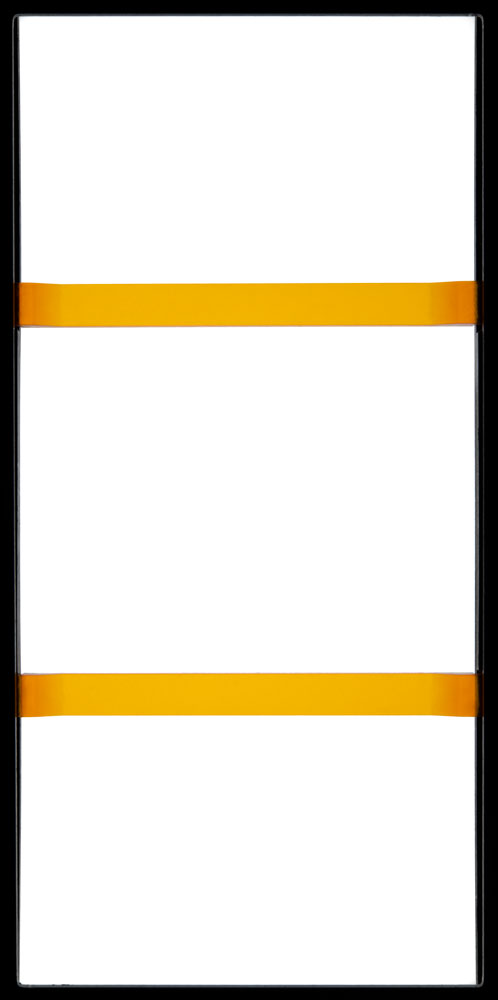
Impressão jato de tinta de pigmento s/ papel de algodão
61 x 30 cm
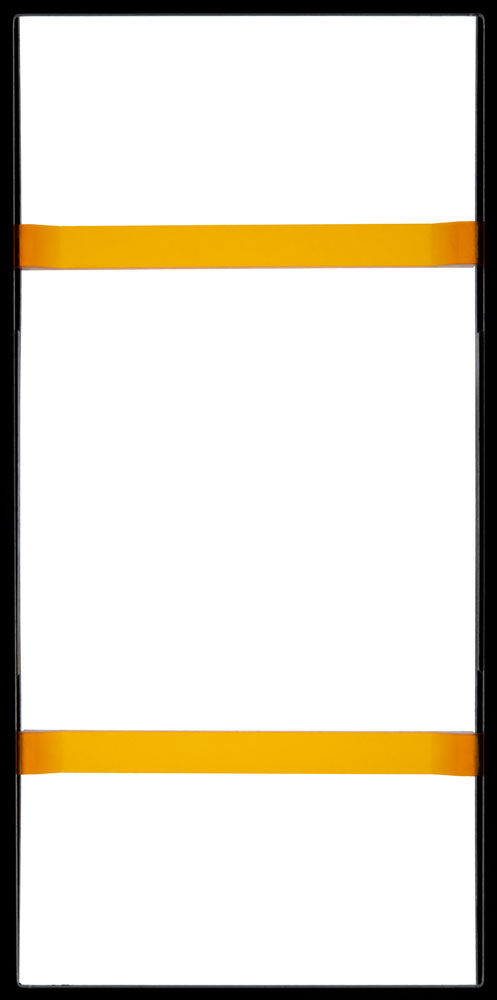
Impressão jato de tinta de pigmento s/ papel de algodão
61 x 30 cm
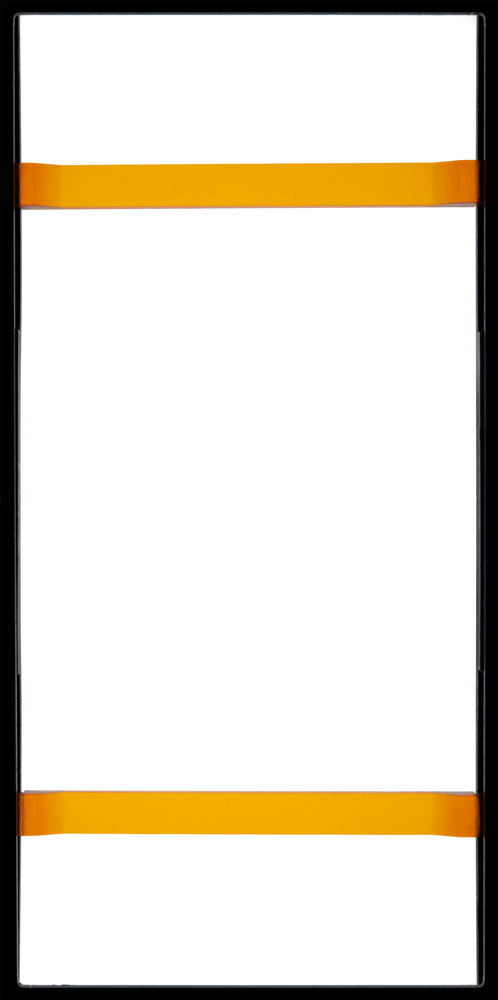
Impressão jato de tinta de pigmento s/ papel de algodão
61 x 30 cm
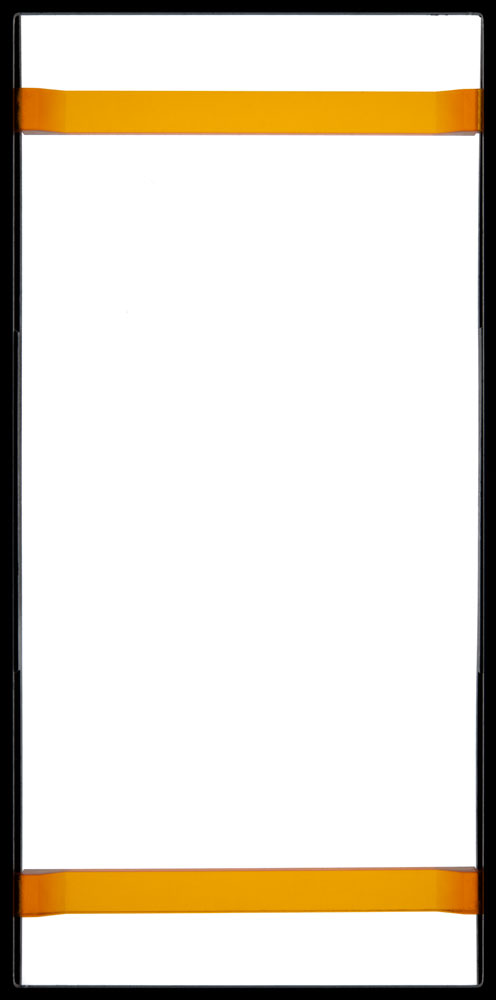
Impressão jato de tinta de pigmento s/ papel de algodão
61 x 30 cm
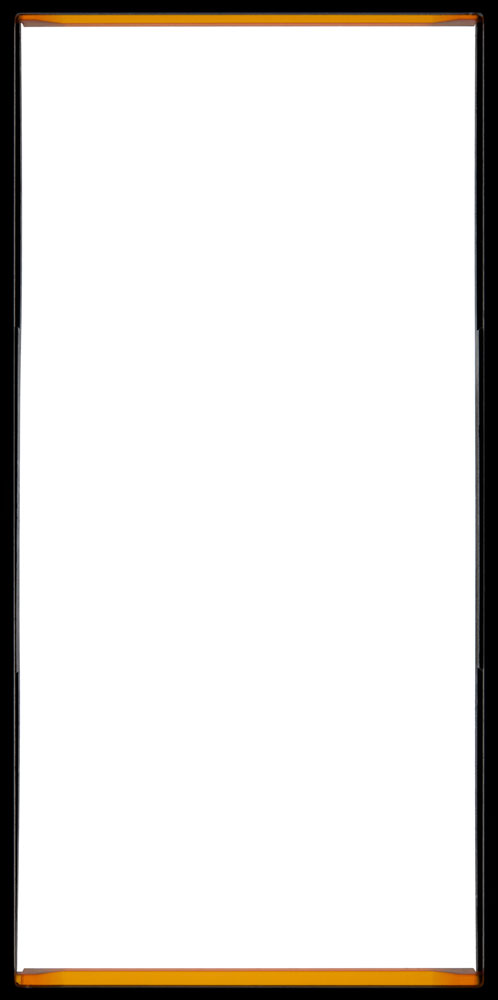
Impressão jato de tinta de pigmento s/ papel de algodão
61 x 30 cm
Mask Open
Acervo
R. Serpa Pinto 2, 1200-445 Lisboa
Inauguration → 15 . 10 . 2026 → 06:30 pm
15 . 10 . 2026 → 14 . 11 . 2026
monday - saturday → 02:00 pm – 07:00 pm
Artist
José Luís Neto
In the history of photography, white occupies a structurally ambiguous position.
Although it constitutes a condition of possibility for the image — as support, margin, luminous reserve, or background — it is rarely acknowledged as an autonomous content of representation. Within the photographic image, white tends to be regulated, compensated for, or reinscribed as tonal value. In this sense, the technical evolution of photography can be understood, to a large extent, as an effort to preserve tonal differentiation in the face of the possibility of its luminous indistinction. Absolute white was thus progressively relegated to the outside of the image field, becoming associated with its material boundaries or with areas considered superfluous to representation, such as the margin, overexposure, or the absence of inscription.
This work, “Mask Open,” takes this condition of exclusion as its starting point and proposes bringing white back into the photographic field. Through the interaction between the light emitted by a lightbox and the light reflected by a white sheet of photographic paper, the work constructs a space of visual suspension, momentarily withdrawn from the proliferation of images in the outside world. In this interval — between emission and reflection, between presence and apparent emptiness — white ceases to operate as absence, limit, or technical excess, asserting itself instead as an active material of the photographic experience.
“Mask Open” thus proposes a perceptual pause within the language of photography: a moment in which the image withdraws from representation in order to confront its own conditions of possibility.
Newsletter
Main Sponsorship

Institutional partners








Partners








Special support