Bone Foam
Imago Garage
Rua do Vale de Santo António 50A, 1170-381 Lisboa
16 . 10 . 2026 → 14 . 11 . 2026
wednesday - saturday → 02:30 pm – 06:30 pm
Artist
Maria Oliveira
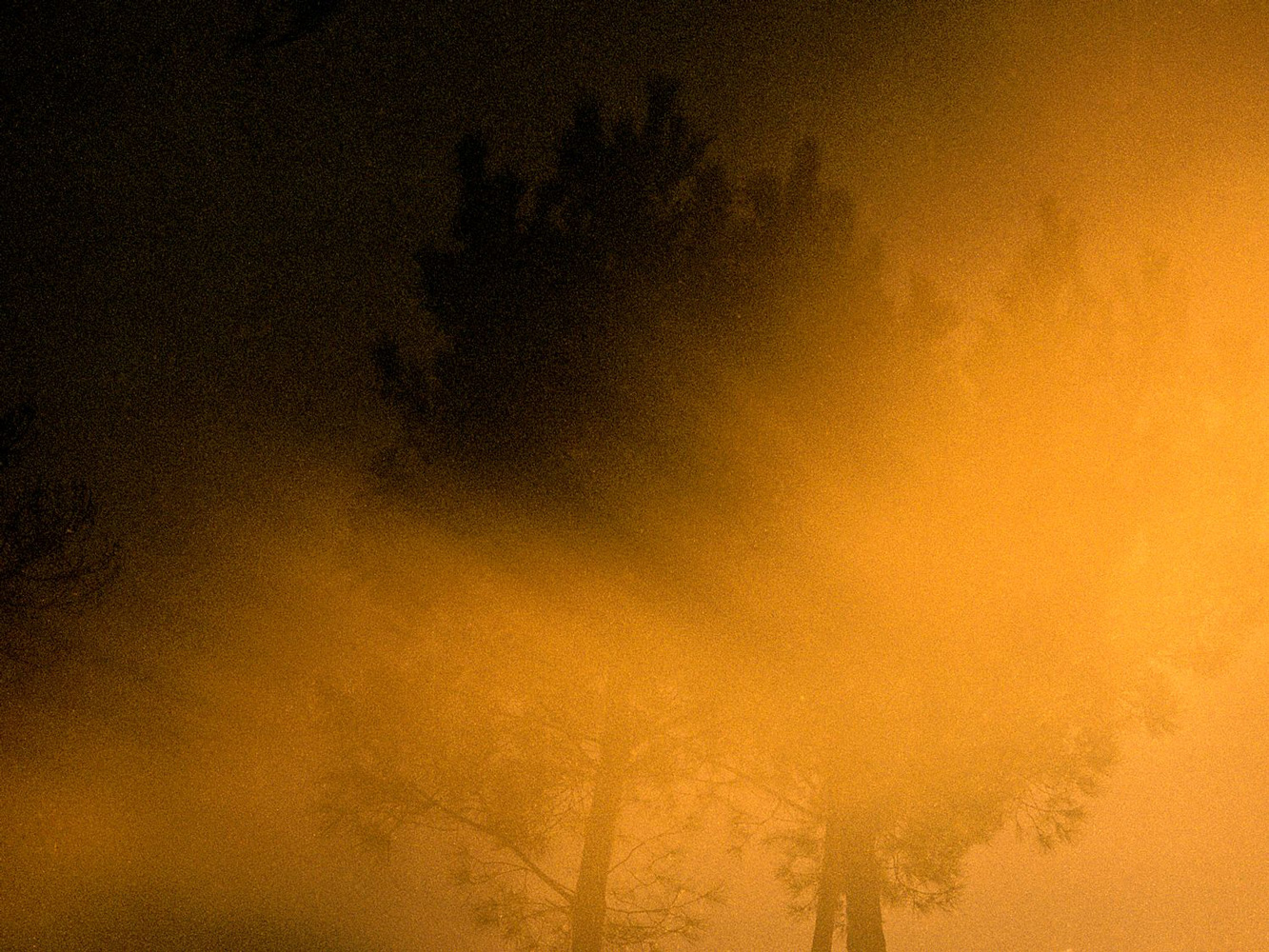
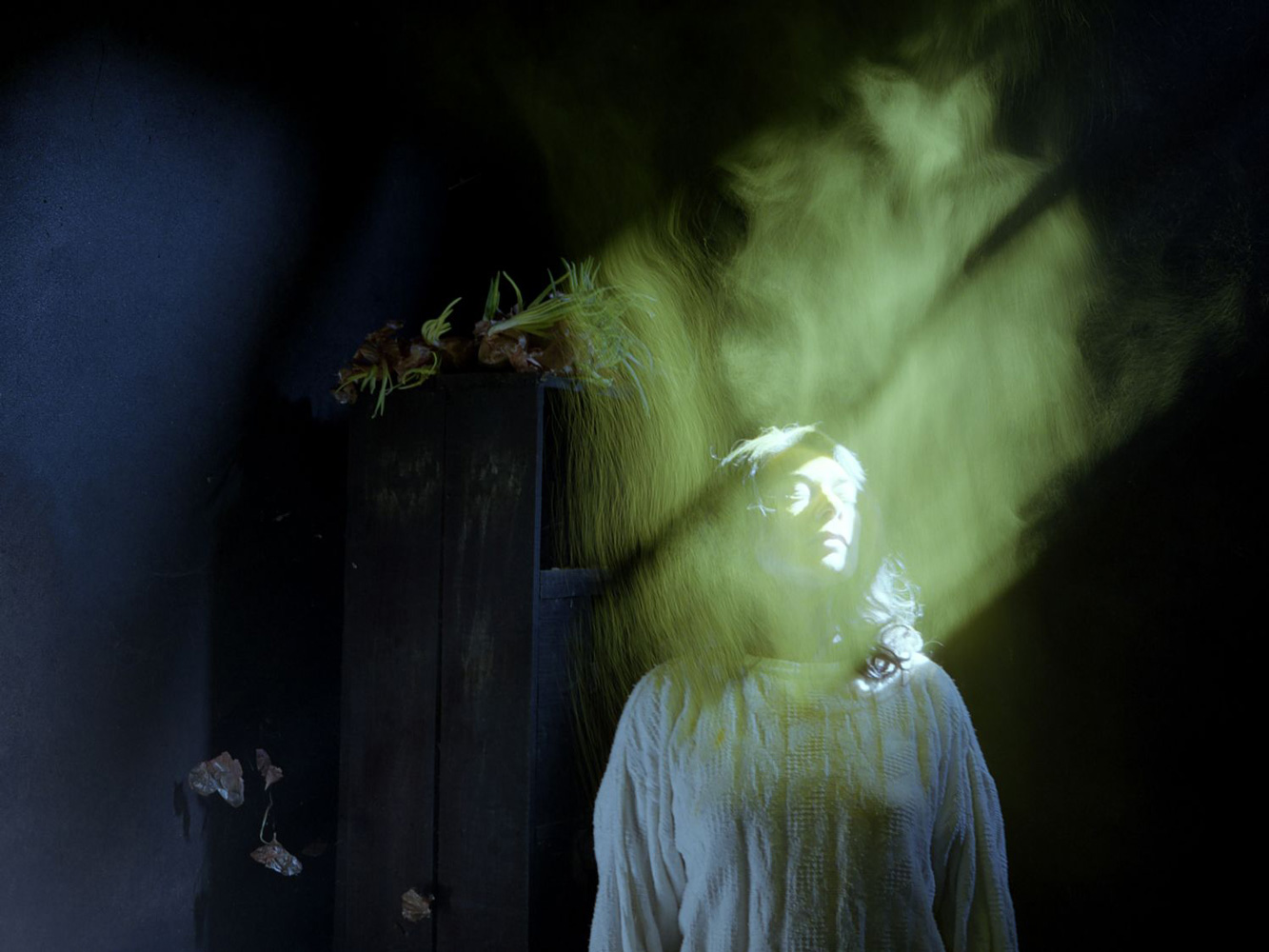
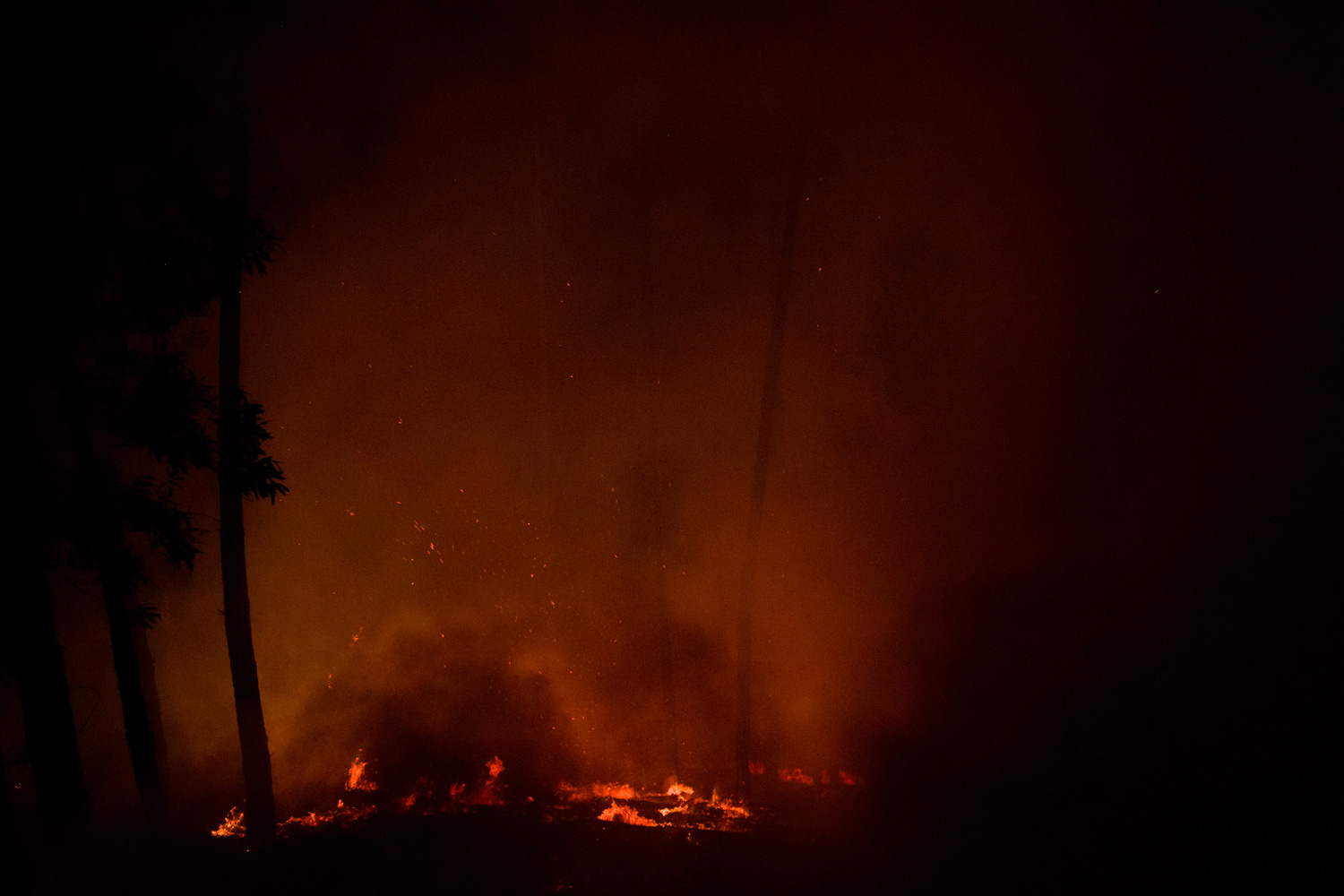
It could be morning mist hiding the secrets of the forest, or golden light breaking through the treetops and falling through the tangle of branches to land in the clearing as if it were a stage set, or else the open mouth of the earth leading to an abyss hidden in the depths; another time it was a circle of fire or flames transparent as lights; another time, the transfiguration of a gorse branch wrapped in a fine spider web; the fleeing wing of a river nymph, the horns of a sacred ox breaking through the ground at the edge of the known world where everything merges, light and darkness; before the world, the priestess of the moon goddess, guardian of the valleys, lady of fertility and primordial waters, of death, of the bowels of the underworld; on the day of creation, the luminous egg of origins, germination, the eyes of stones.
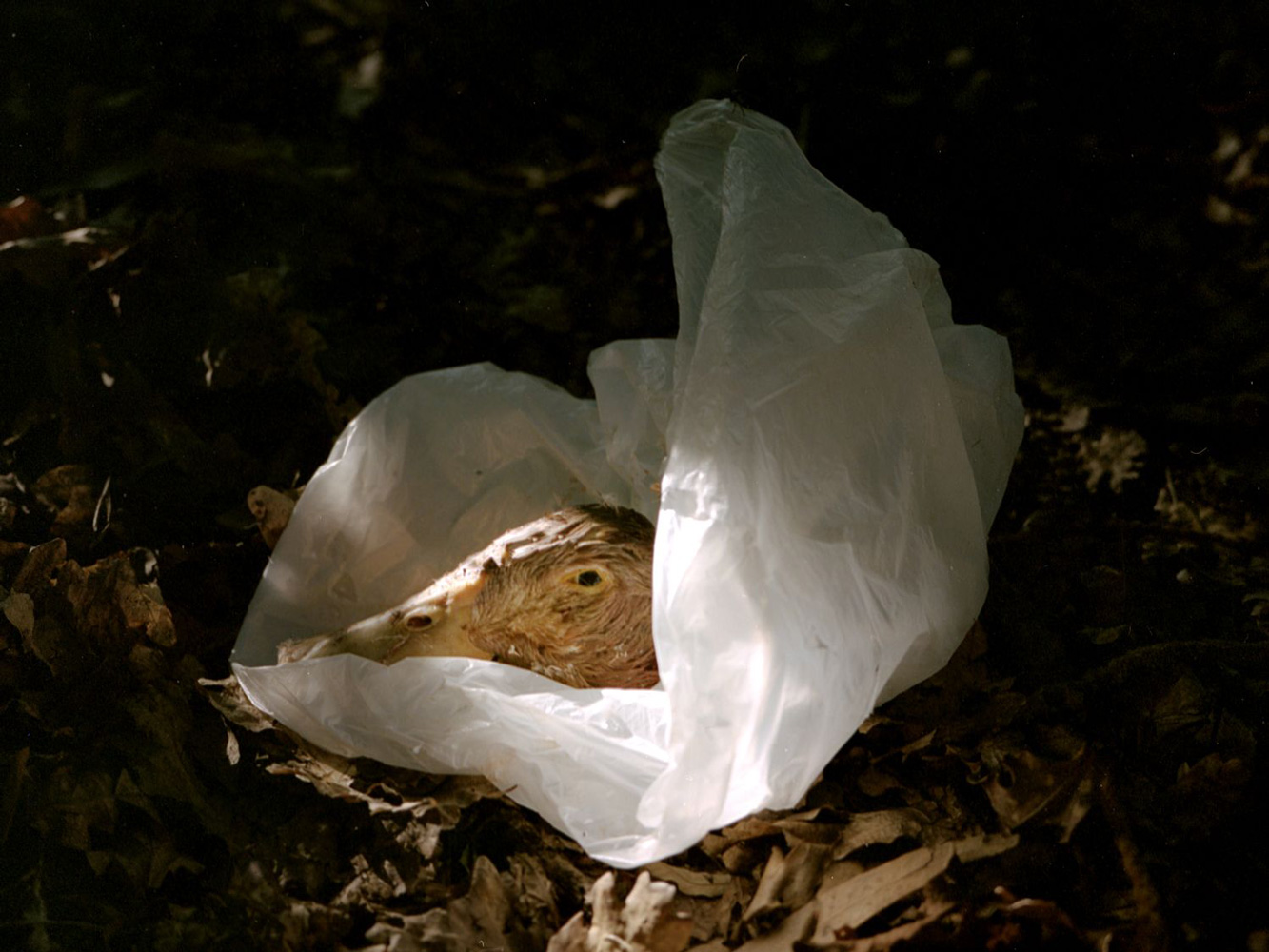
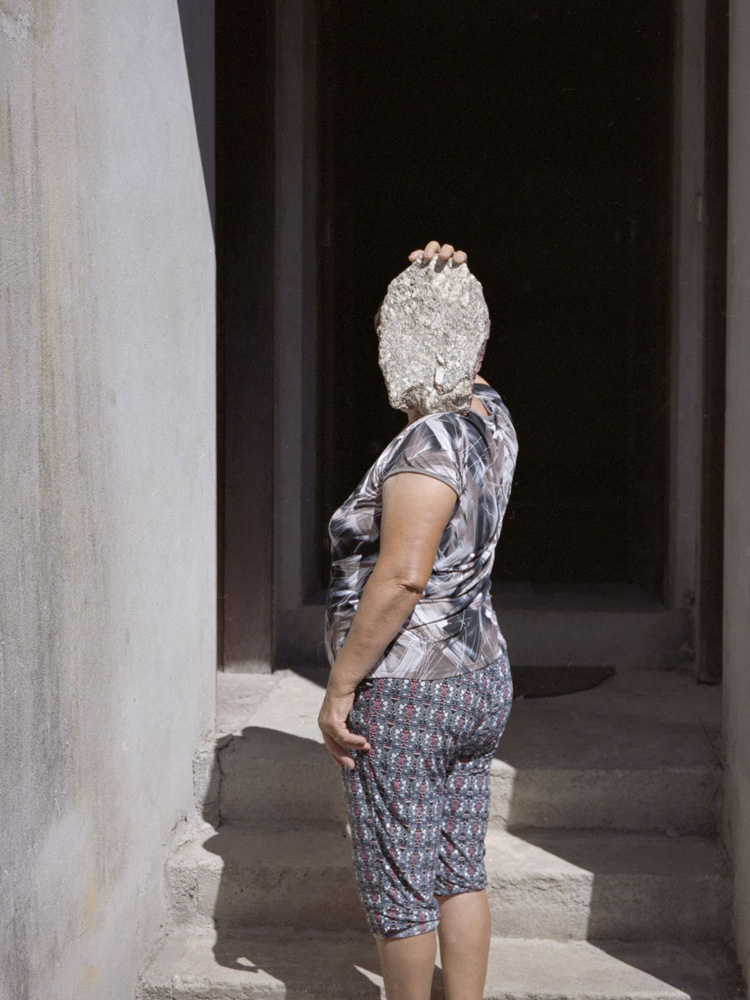
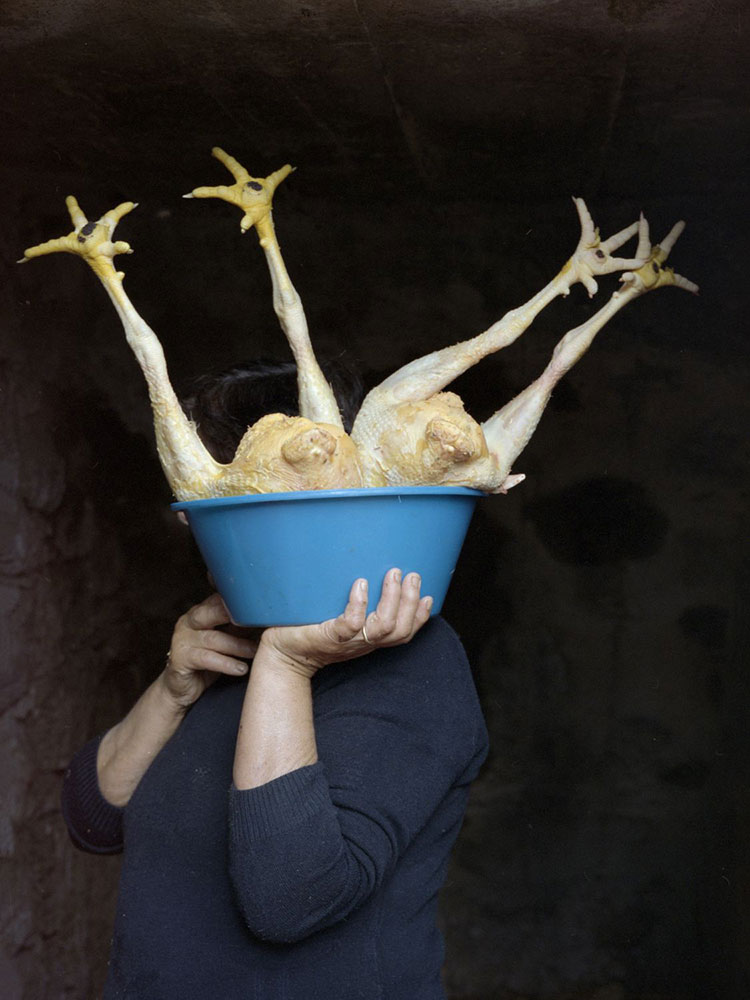
Everywhere, the multiplied female: holding the hem of her tunic from which the water drips, fertilising the ground; her face hidden, her eyes closed, her body, her head buried in the tangle of fruits, the urgency of the vital forces that expand from the fruits or roots, her hand holding and offering these essences, scattering the seeds that the light has ignited; the acts consummated, the stone in place of her head as a mineral memory of endless work. In the forest, the large stone, the altar of offerings to mother earth, the fruits, the slaughtered animals, the birds, the feathers that clung to the branches, the veil of the deities of the springs. At the end of another day, darkness descends on the hills until once again the goddess is transfigured, touched by light, and everything returns to being fertile, life, death, brilliance, flame, or shadow ... until everything begins again.
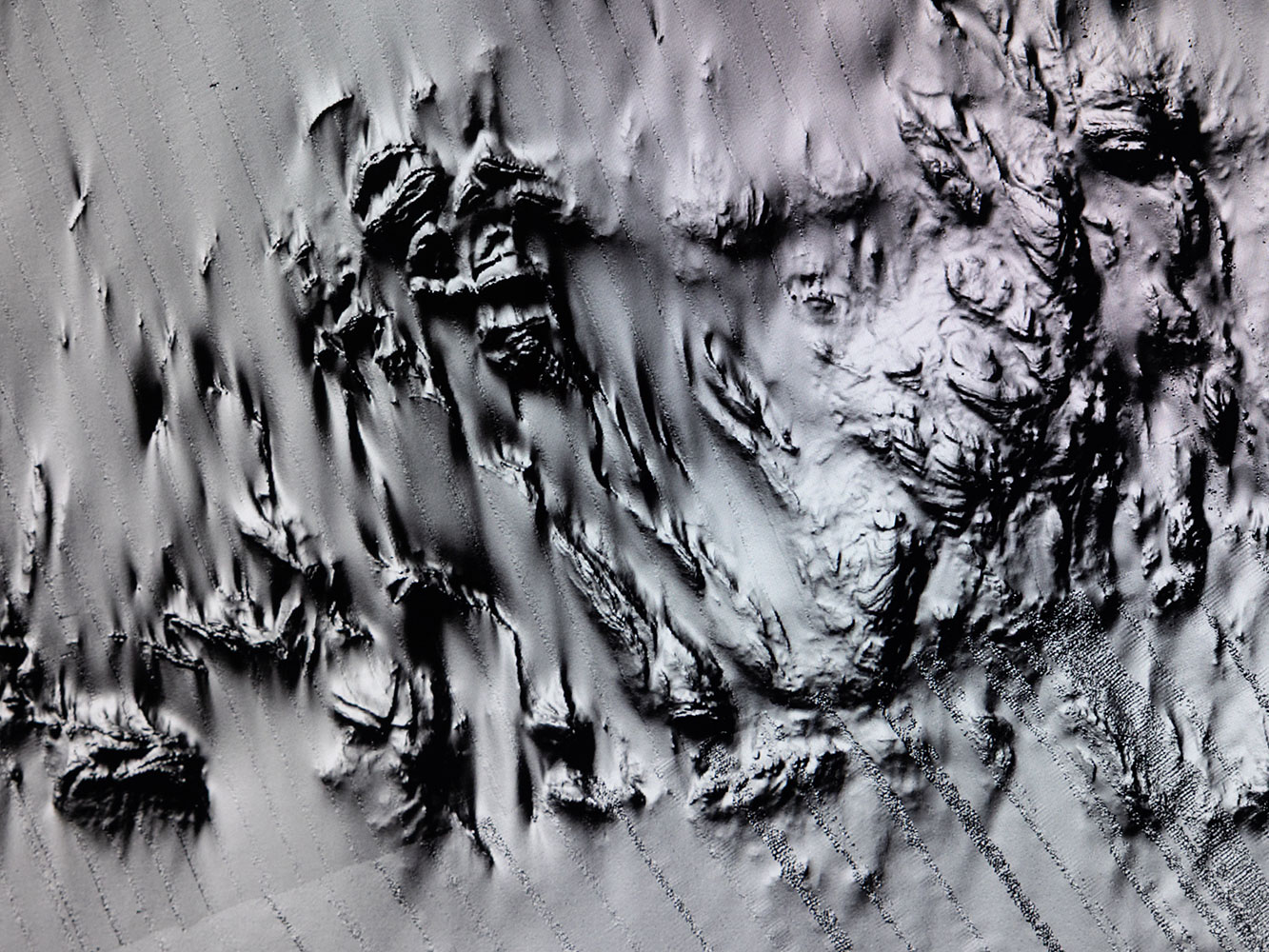
This is the world that inhabits Maria Oliveira’s photographs. Everything is presented to us as enchantments, as figurations of a primordial world that inhabits us, but which we persist in not seeing, rushing as we do through the confusion of days that grind the past and future into the constant urgency of events, noise, fleeting memories and thoughts about trivial, practical things where there is no place for the depth of the firmament, the spirits of the springs, the silent germination of seeds, the gods and myths that dwell in everything we do not understand, in what we fear, in hauntings, in the mystery of life and death. Maria once told me a story about a woman, an aunt who lived with her, who was like a second mother and told her certain premonitions about the death of neighbors or friends. As a child, Maria was enchanted by these stories, by the images and accounts of these wonders and predictions, which were not frightening at all – they were always beautiful images taken from the magical atmosphere of a Tarkovsky film.
Continuing in Maria’s own words: a week before she died, (my aunt) told us that a miracle had happened to her ... something that was a little hard to believe ... but she was very happy about it. It had to do with water ... and there were other episodes related to water that happened to her during those days (there is a song by Rodrigo Amarante that says ‘dying is sea’). On the day of the wake, I was with my mother in the chapel when a girl, about 8 years old, whom no one knew, entered. She went straight to the coffin and said a number of things to me. She asked me not to leave my aunt alone, that she was very beautiful. And not to worry because she was fine, just a little cold. That soon she would be nothing but bones and foam. Then she said she had to leave. I gave her a hug and she told me her name was Maria. Just like that. Bone and foam are materials that represent the two sides of life and death that are hidden to us: bones because they are part of bodies and lives that stubbornly persist; foam because it is almost immaterial, almost nothing. Mary, one or the other, is the Eternal Feminine that Carl Jung speaks of, the archetype of the Great Mother as a primordial force that reveals itself in fertile places, in the depths of the forest, in light and darkness, in sown fields, in springs. The Great Mother is the magical authority of the female; the wisdom and spiritual exaltation that transcend reason; any useful instinct or impulse; everything that is benign, everything that nurtures and sustains, that promotes growth and fertility. The places of magical transformation and rebirth, but also the underworld and its inhabitants, (...) where the archetype of the mother is associated with all that is secret, hidden, dark; the abyss, the world of the dead, all that devours, seduces, and poisons, which is terrifying and inevitable as fate. ( 1 )
( 1 ) Carl Jung, 1954, ‘Die psychologischen Aspekte des Mutter-Archetypus’ in The Collected Works of Carl G.Jung, Part I: Archetypes and the Collective Unconscious, vol.9, Part 1. Herbert Read, M. Fordham, Gerhard Adler eds, Princeton University Press, 1961, p.90
Newsletter
Main Sponsorship
Institutional partners









Partners








Special support